Salsa is much more than a dance.
It's history, migration, cultural mixing, and a way to connect people through music.
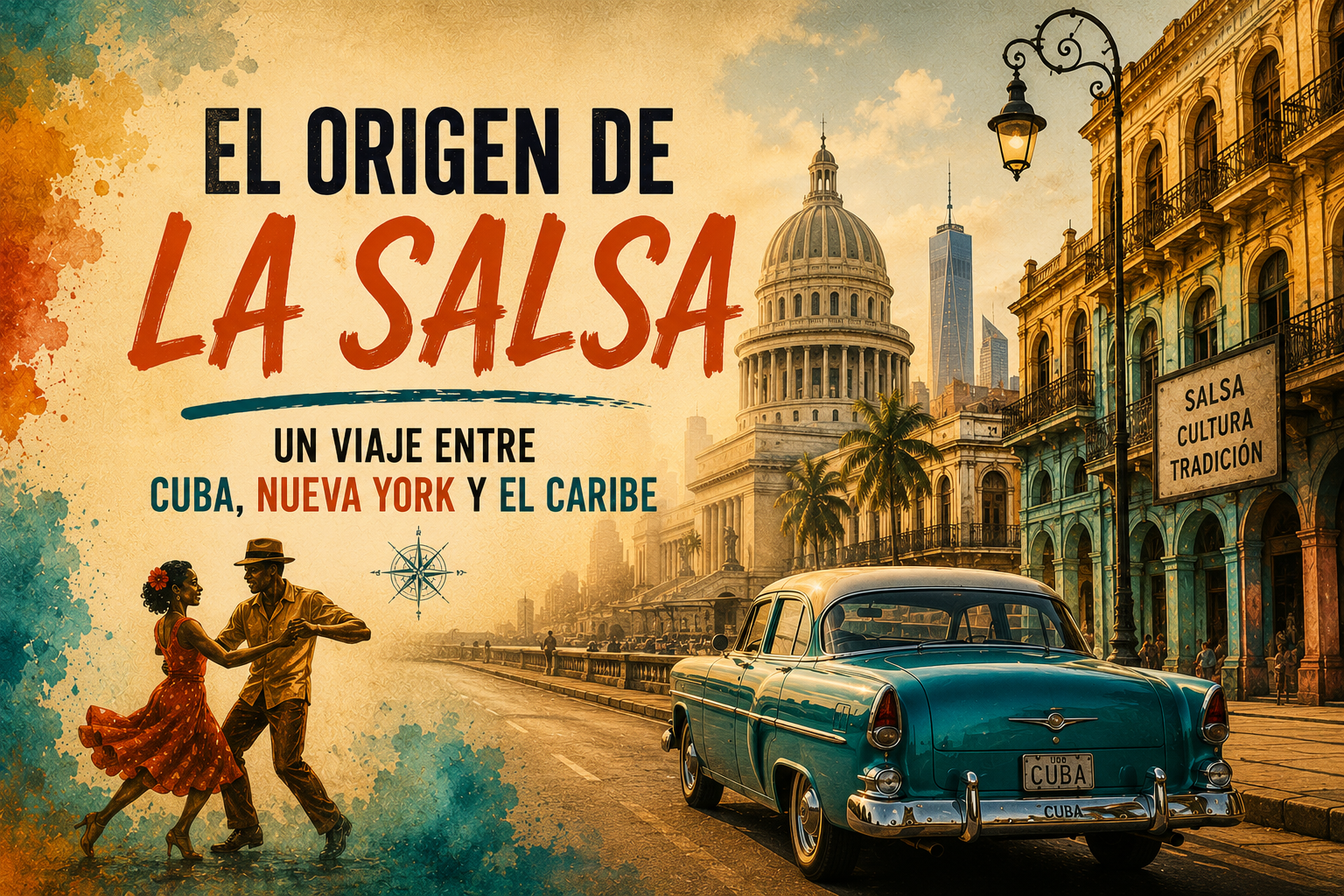
Today, dancing happens all over the world, from the streets of Havana to international festivals in Europe, but its origins continue to spark debate: did it really originate in Cuba? New York? Or across the entire Caribbean?
The reality is that salsa did not originate in a single place. Its history is the result of decades of musical and cultural evolution between Africa, the Caribbean, and the United States.
The African roots of salsa
To understand the origin of salsa, you first have to travel to Africa.
Many of the rhythms that are part of Latin music today arrived in the Caribbean through African communities relocated during the colonial era. Percussion, rhythmic structure, and the connection between music and dance had an enormous influence on the evolution of Cuban music.
Over time, these African influences mingled with European instruments and melodies, particularly Spanish ones, giving rise to new musical genres in Cuba and the Caribbean.
The famous Cuban “clave”, one of the most important elements of salsa, is born precisely from this cultural mix.
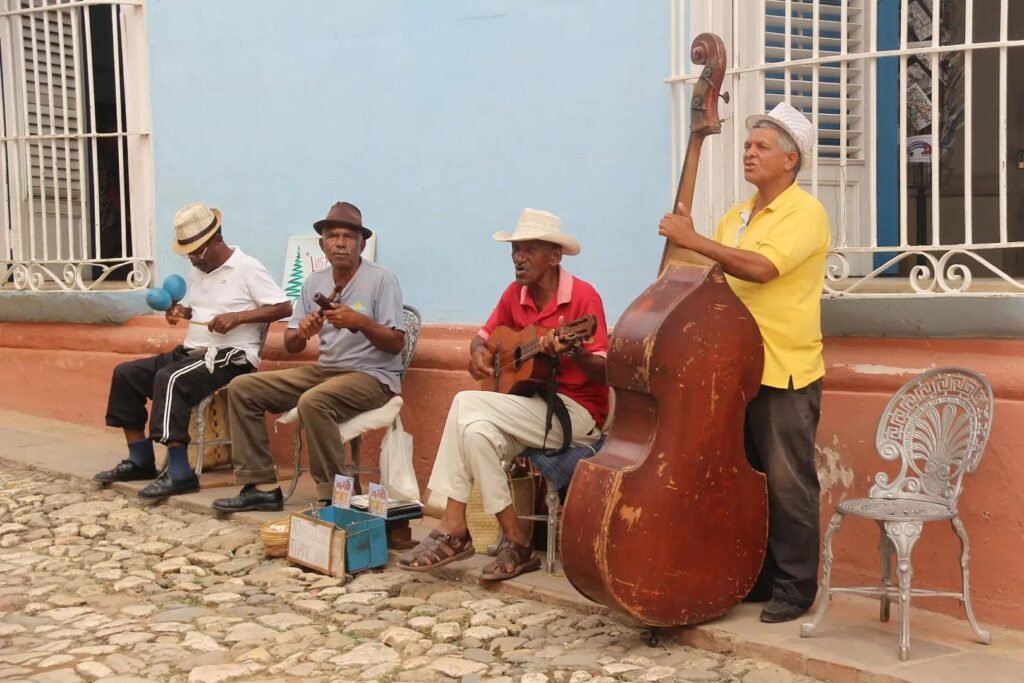
Cuban son: the great foundation of salsa
Although salsa evolved in various countries, most experts agree that its main musical basis is Cuban Son.
The son was born in eastern Cuba, especially in the Santiago de Cuba region, and later spread to Havana.
This genre mixed:
- African percussion,
- Spanish guitar,
- Folk song,
- and traditional Cuban rhythms.
Over the years, son evolved and incorporated new instruments such as trumpets, piano, bass, and congas, gradually moving closer to the sound we associate with salsa today.
Other Cuban rhythms such as the rumba, mambo and cha-cha-chá also played a fundamental role in this evolution.
The birth of the casino in Cuba
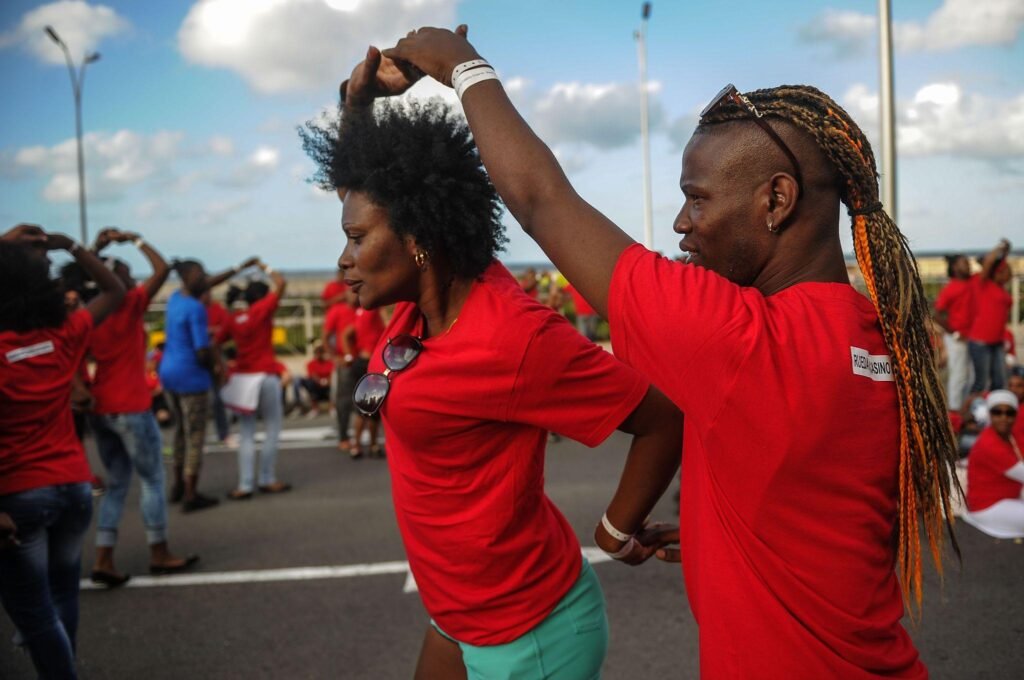
As Son Cubano and other popular rhythms evolved in Cuba, a new way of interpreting them through dance was also born: Casino.
The casino was born in Havana during the 50s, influenced by Cuban son, mambo, and other popular dances of the time.
Its name comes from the ancient “sports casinos,” social and cultural centres where people would gather to dance and enjoy music.
Unlike other more linear styles, the casino is characterised by:
- circular movements,
- improvisation,
- constant game of leader and follower,
- and a very strong connection with Cuban musicality.
Over time, the famous Rueda de Casino also appeared, where several couples dance in a circle performing coordinated figures guided by a leader.
Today, the casino has become one of the most popular ways to dance Cuban salsa worldwide and represents a fundamental part of Cuba's cultural identity.
New York and the birth of “salsa”
Many Cuban musicians and dancers who emigrated to New York City brought with them not only the rhythms of Cuban Son, but also the social manner of performing this music.
In New York, these rhythms mixed with jazz, Puerto Rican influences, and new urban currents, contributing to the birth of modern salsa and subsequently to inline salsa styles.
Meanwhile, in Cuba the Casino continued to evolve independently, maintaining a very strong connection with Afro-Caribbean musicality and the social character of the dance.
Although the musical roots are primarily Cuban and Caribbean, the term “salsa” became popular in New York City during the 1960s and 1970s.
During that period, thousands of Latino musicians—particularly Cubans and Puerto Ricans—began to blend Cuban son, jazz, mambo, and other Afro-Caribbean rhythms in the city's Latino neighbourhoods.
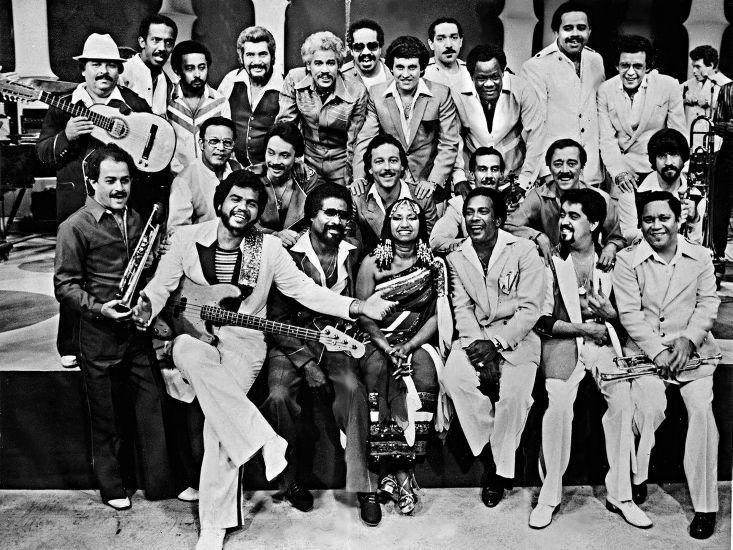
It was then that Fania Records emerged, a key record label in the global expansion of salsa.
Legendary artists such as:
- Celia Cruz
- Héctor Lavoe
- Willie Colón
- Rubén Blades
They took this sound to international stages and helped turn salsa into a global phenomenon.
Rather than inventing a new rhythm, salsa gave a new international identity to a whole mix of Afro-Caribbean music.
The expansion of salsa around the world
Over the years, salsa continued to evolve in different countries.
In Cali, a fast and spectacular style known as Cali salsa emerged.
A huge musical scene developed in Puerto Rico.
And in European cities, schools, festivals, and conferences dedicated to this dance began to appear.
Today, salsa connects people of different cultures and languages around the world.
Because beyond technique, salsa represents a way of sharing, improvising, and connecting with others.
Much more than a dance
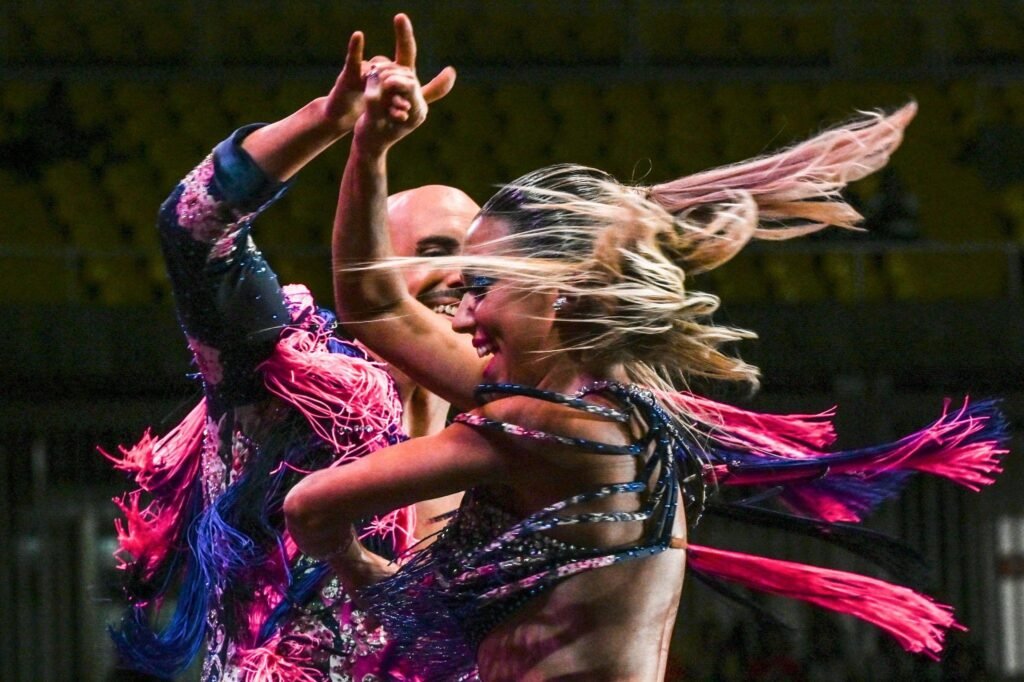
Salsa does not belong to a single country.
It is the result of generations of musicians, dancers and cultures who transformed their history into music.
Perhaps that's why it's still alive today: because it continues to evolve every time someone learns to dance, discovers a new culture, or shares a song in any corner of the world.
And it's precisely there where the journey and the dance meet.
Because understanding salsa is also understanding the history, the culture, and the people who made it possible.
Would you like to experience this culture firsthand?
At Dance Travelling, we organise trips where we combine dancing, culture, and local experiences in some of the most important destinations in the history of salsa.